On Monday, we wrote that the market reaction to the ongoing conflict with Iran had been relatively orderly. On the surface, that trend has continued in fixed income markets despite the escalating tensions. However, it has not been without intraday volatility, with spreads tending to initially widen before ending the day tighter. This is partly due to the fluidity of the situation, and partly due to the rise in rates. Geopolitical tensions typically translate to a flight-to-quality and therefore lower Treasury yields. Given the inflationary impact of higher oil prices, yields actually rose, which brought more buyers and stabilized spreads. What comes next is hard to predict, so our investment approach remains anchored in fundamentals—not speculation.

- The US-Israeli conflict with Iran entered its sixth day with little signs of easing; however, risk assets remained largely resilient with the S&P 500 only down 0.14% week-to-date
- While Iran is a relatively small oil producer, the reduction of shipping through the Strait of Hormuz caused oil and European natural gas prices to spike
- West Texas (WTI) crude and Brent oil rose over 11% and 12%, respectively, while TTF natural gas increased by 49%
- Manufacturing activity increased in February, with the ISM Manufacturing Index up to 52.4, however, input prices jumped 11.5 to 70.5 – the highest level since 2022 – fueling concerns of a resurgence in inflation
- Initial jobless claims remained unchanged last week at 213,000, nearing the lowest levels in the last year, suggesting the labor market is stabilizing; however, continuing claims rose to 1.87 million – the highest level in 2026
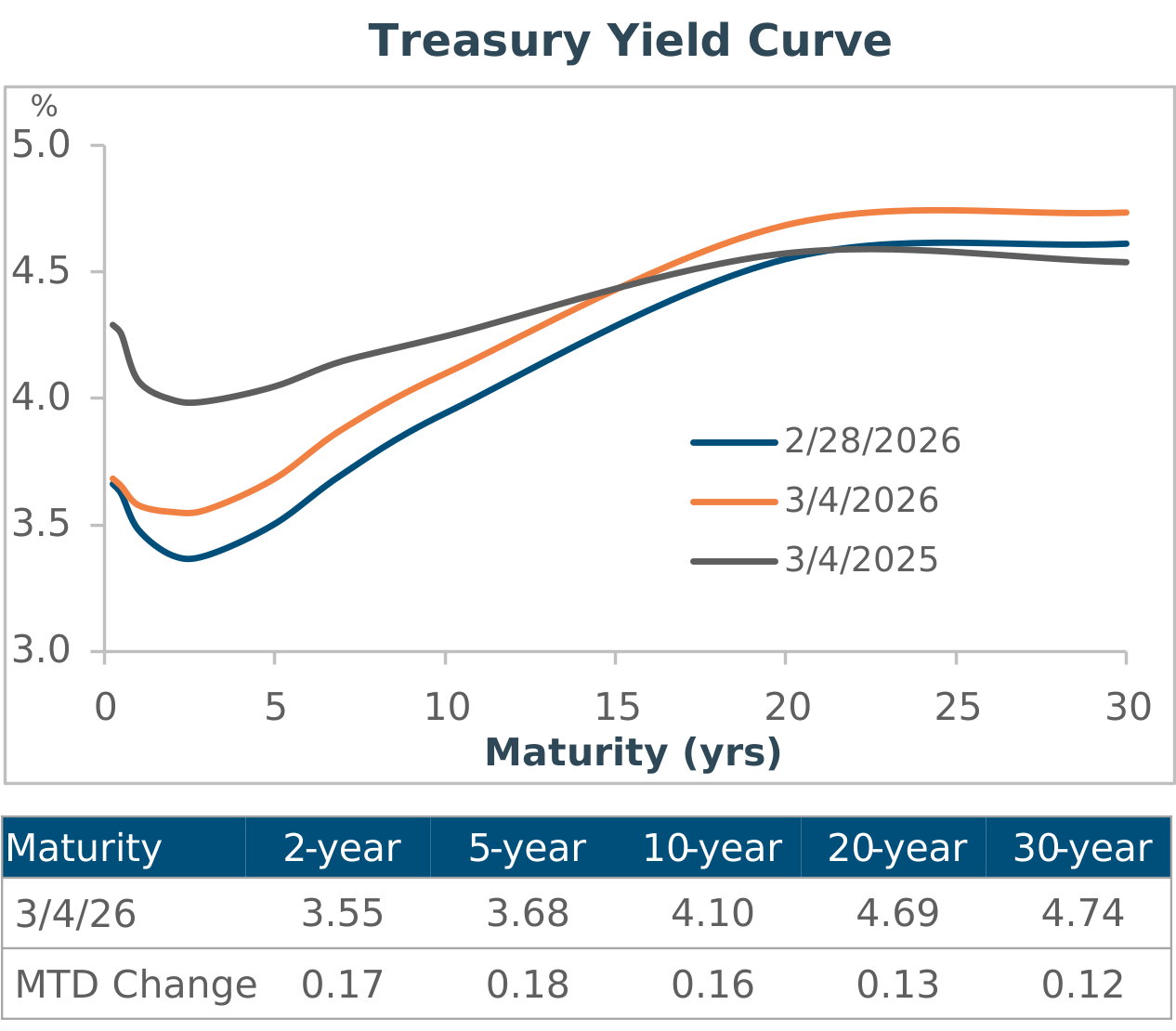
- Treasury rates increased across the curve as the increase in oil prices and inflation fears resulting from the ISM manufacturing report factored into the rate volatility
- Investment-grade (IG) issuance initially paused amid the geopolitical tensions in the Middle East before resuming on Wednesday; supply totaled $51 billion, below dealer forecasts of $65 billion
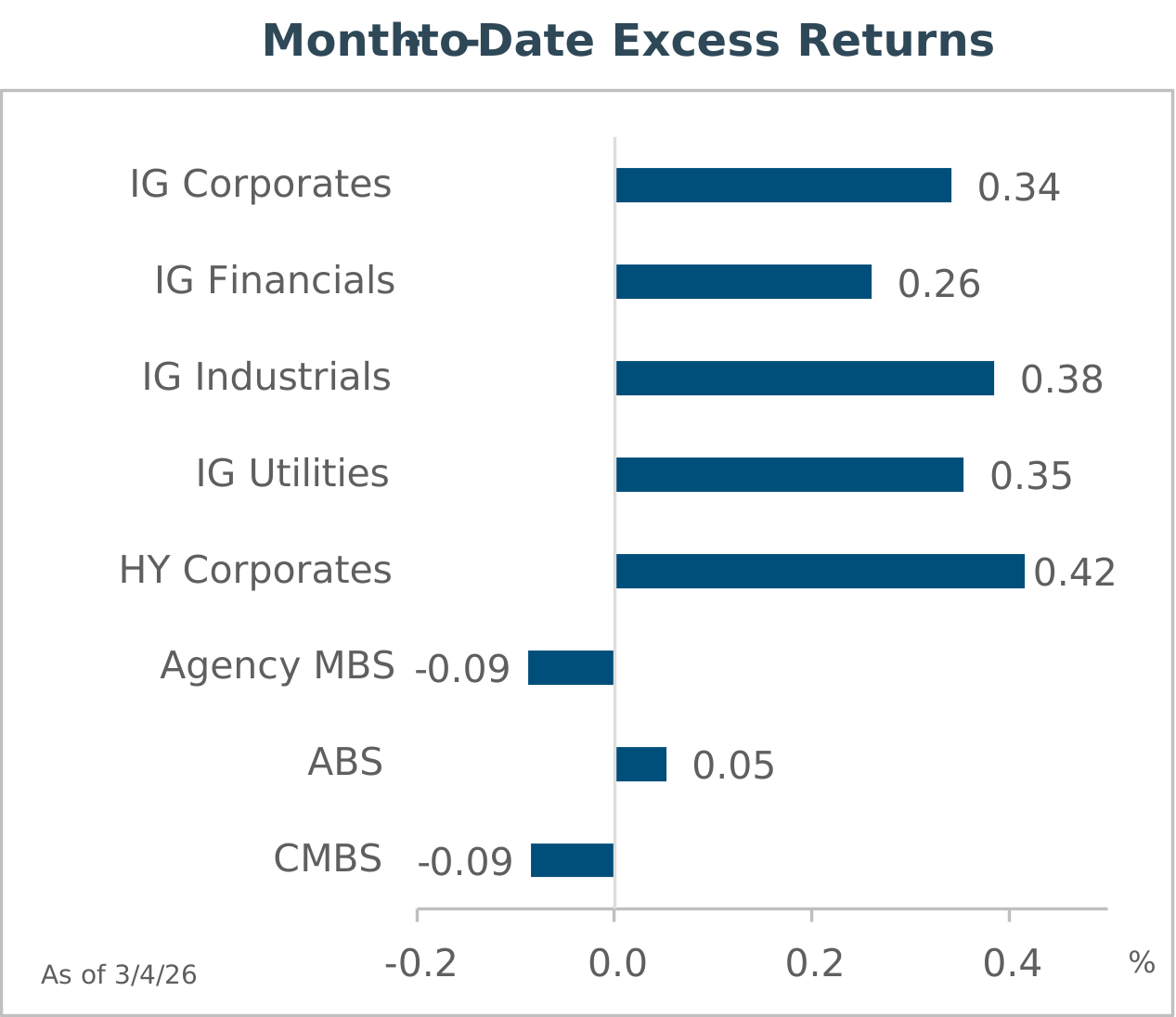
- Investment-grade corporate spreads tightened 4bps to 80bps, with the Energy sector outperforming, while yields rose 10bps to 4.83%
- High-yield (HY) issuance similarly was on hold Monday before resuming Tuesday, totaling $9 billion week-to-date
- High-yield corporate spreads widened amid concerns over the duration of the conflict with Iran before rebounding and closing at 281bps, 10bps tighter month-to-date; HY Energy spreads tightened by 19bps to 206bps
- Asset-backed securities (ABS) outperformed other securitized sectors as ABS spreads tightened 1bp to 48bps; ABS issuance totaled $5 billion for the week, bringing year-to-date supply roughly 15% ahead of last year’s pace
- Municipals underperformed Treasuries as muni/Treasury ratios rose slightly across the curve; municipal bond funds reported $2.2 billion of net inflows last week