This week, the market digested another hyperscaler jumbo deal as Amazon priced $25 billion of debt across the curve. The transaction marked the seventh deal of $25 billion or more in 2026, matching the total completed between 2019 and 2025. The transaction required concessions of more than 10bps and was only roughly 2x oversubscribed. Is this a sign investors are tiring of AI-related debt? We don't think so. The broader technology selloff likely weighed on demand, while the investor base was largely composed of buy-and-hold accounts. Rather than signaling fatigue, the transaction may reflect a market becoming increasingly price selective as AI-related financing needs continue to grow. In our view, this environment favors active, bottom-up investors capable of distinguishing between opportunity and enthusiasm.

- Geopolitical tensions between the US and Iran renewed concerns over energy supply disruptions, driving higher oil and natural gas prices
- West Texas (WTI) crude and Brent oil rose 6% and 7%, respectively, while TTF natural gas increased by 12%
- June payroll growth slowed to 57k, well below expectations of 113k, while prior months were revised lower by a combined 74k, signaling a modest cooling in labor market momentum
- Despite slower hiring, the unemployment rate fell to 4.2% as labor force participation declined to 61.5%
- June’s FOMC meeting minutes revealed a growing divide among Federal Reserve (Fed) officials, with some making the case for a rate hike amid concerns that inflation pressures were broadening
- Fed officials also signaled support for simplifying policy communications, reinforcing the possibility of less forward guidance and greater market sensitivity to incoming data
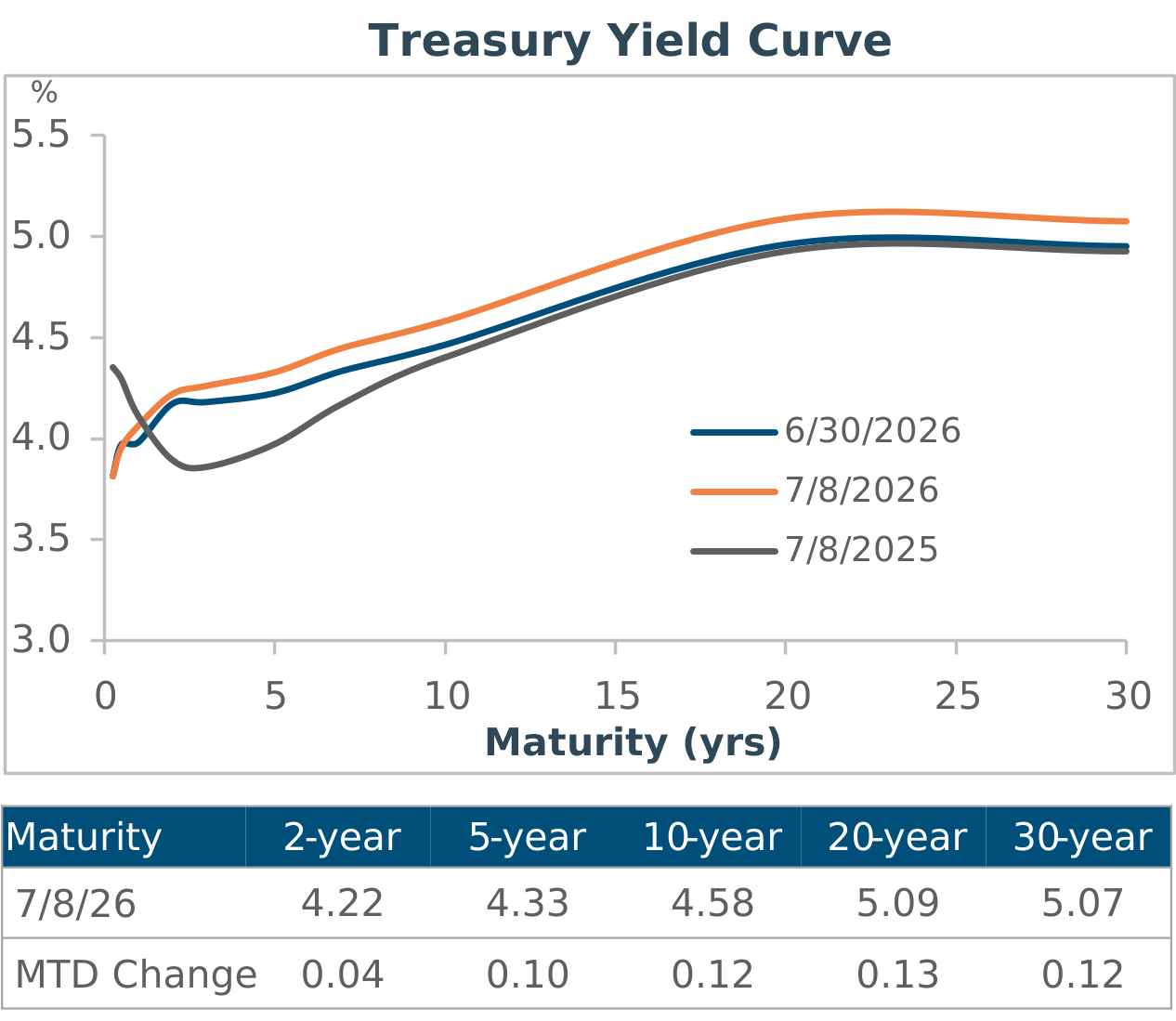
- Treasury yields rose across the curve, led by the long-end, as energy market volatility and geopolitical tensions intensified; the curve steepened, with the spread between the 2- and 10-year Treasury yields widening by 8bps to 37bps
- Investment-grade (IG) corporate supply reached $51 billion this week, more than double expectations, driven largely by Amazon's $25 billion jumbo offering
- High-yield (HY) supply slowed amid renewed geopolitical volatility, totaling less than $2 billion
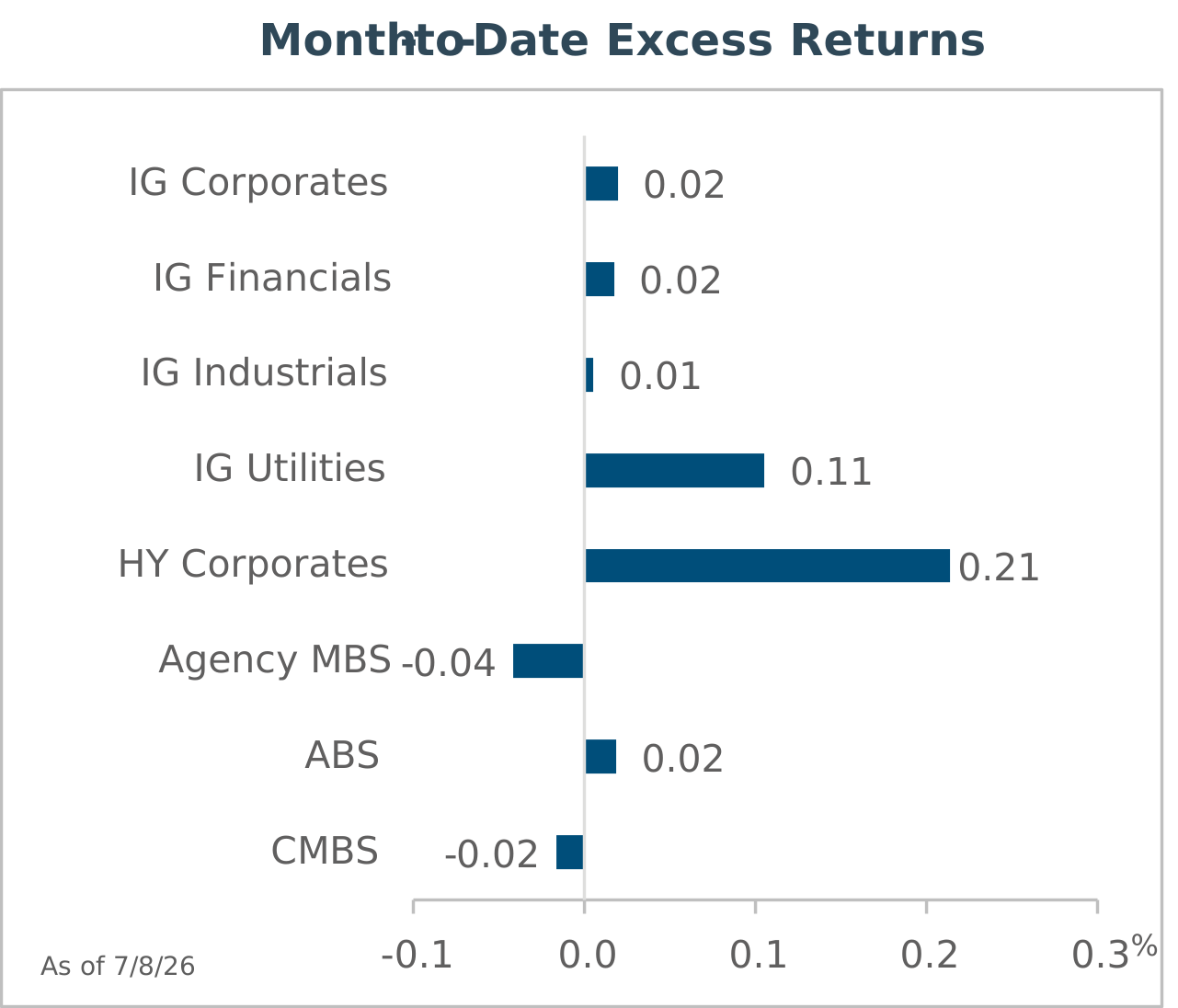
- Credit spreads showed resilience despite the softer tone, with IG spreads unchanged at 74bps and HY spreads 6bps tighter at 264bps month-to-date
- The asset-backed securities (ABS) sector was largely insulated from the interest rate volatility given the sector’s generally shorter-duration profile, outperforming Treasuries and other securitized sectors
- Municipals underperformed Treasuries as muni/Treasury ratios rose across the curve despite municipal bond funds reported $726 million of net inflows last week