- Volatility returned as concerns over the impact of artificial intelligence spurred weakness across risk assets, especially software stocks; the S&P 500 and Nasdaq 100 declined by 1.3% and 3.3% over the last two trading days, respectively
- The ISM Services Index remained unchanged in January at 53.8, exceeding expectations; prices paid for services and materials climbed to a three-month high of 66.6, while new orders slipped to 53.1 resulting from a decrease in demand from overseas customers
- Recent labor market data pointed to continued weakness and suggested demand for employment remains selective
- US job openings decreased to 6.54 million in December – the lowest level since 2020 – while layoffs and job quits both rose to 1.76 million and 3.20 million, respectively
- Initial jobless claims increased by 22,000 to 231,000, exceeding expectations, while continuous claims climbed to 1.84 million; however, business disruptions tied to severe winter weather may have impacted the spike
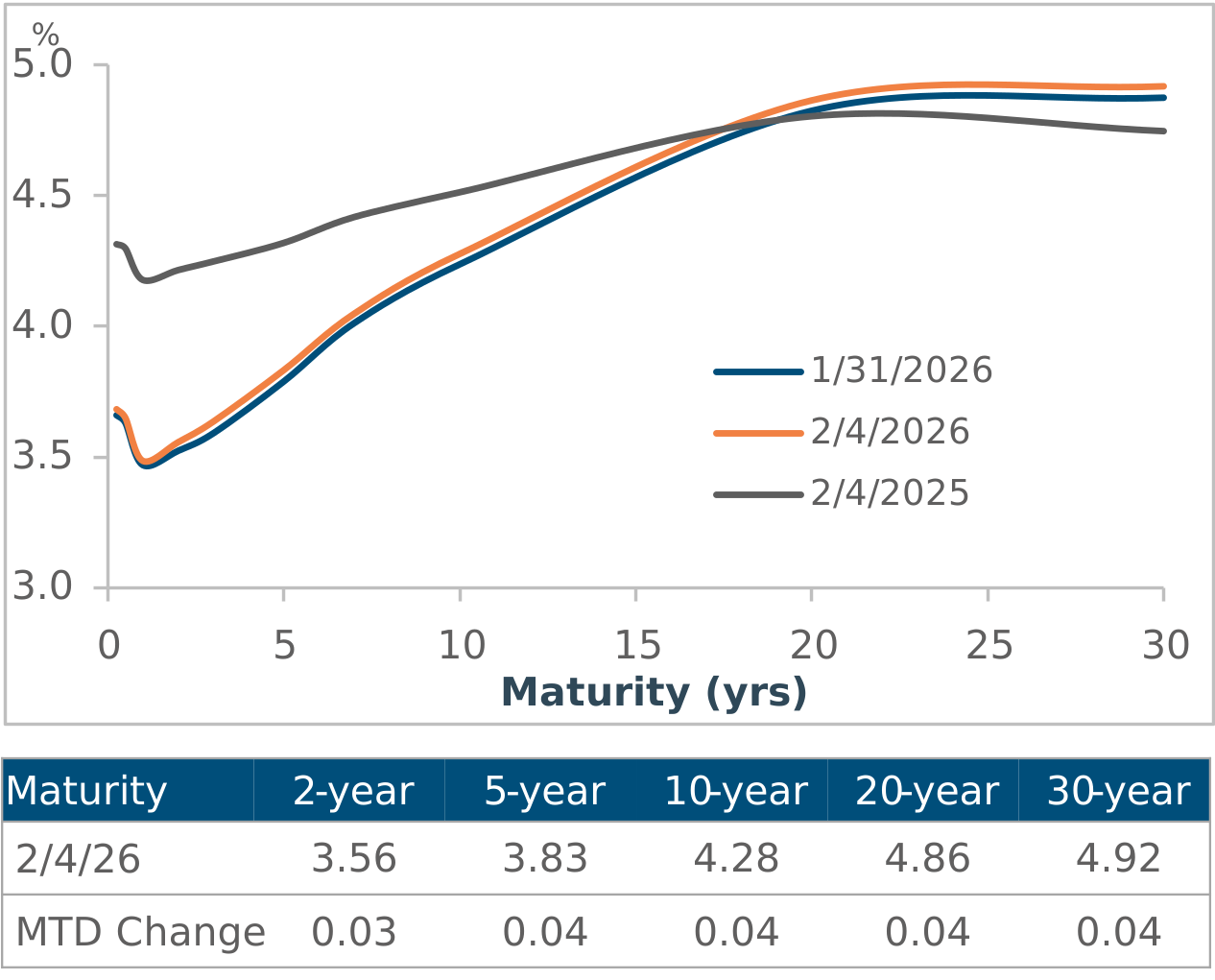
- Treasury yields were modestly higher across the curve following the release of the January ISM manufacturing release, which surpassed estimates, however yields were lower amid the software equity sell-off
- Investment-grade (IG) borrowers were eager to issue debt after exiting earnings blackouts, despite the softer tone, as supply totaled $59 billion, exceeding expectations of $40 billion; demand remained robust as new issue concessions remained below 2025’s average of 3.3bps
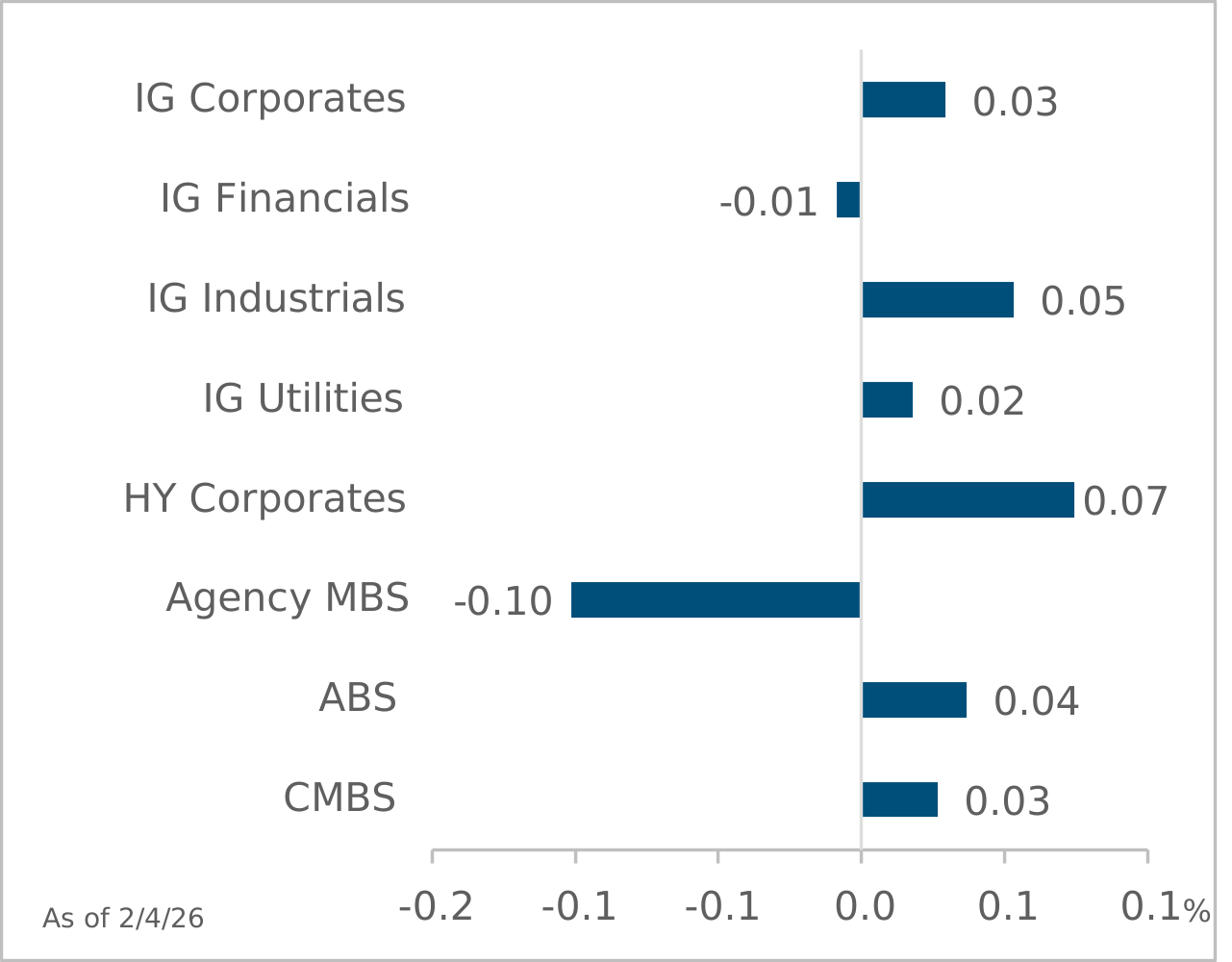
- IG corporate spreads remained unchanged month-to-date at 73bps, despite pockets of weakness and the softer backdrop; BDCs, for example, widened in sympathy with software issuers, with spreads 17bps higher to 197bps
- Attractive funding levels and strong demand supported high-yield corporate supply, which totaled just shy of $5 billion
- High-yield spreads were 1bp tighter at 264bps while US high-yield funds recorded net inflows of $940 million
- Asset-backed securities (ABS) outperformed other securitized sectors, as ABS spreads tightened 1bp to 47bps; year-to-date issuance of $42 billion is running slightly behind last year’s pace of $45 billion
- Municipals outperformed Treasuries with muni/Treasury ratios down slightly across the curve; municipal bond funds reported $1.9 billion of net inflows last week
Treasury Yield Curve
Month-to-Date Excess Returns