This week, investors were again reminded that markets don't just react to policy, they react to how policy is communicated. The Treasury's decision to expand its long-end buyback program briefly fueled a rally in longer-dated Treasuries and was followed by comments from Treasury Secretary Scott Bessent highlighting the administration's focus on fiscal consolidation. Yet the bigger story may have been what happened next: very little. Rather than embracing the message, investors appeared to look past the headlines and focus on the broader reality of elevated borrowing needs and continued Treasury supply. If that sounds familiar, it should. We've recently discussed how a less communicative Fed could contribute to greater market volatility, and this week suggested the Treasury may be entering an "actions speak louder than words" phase of its own.

- Markets experienced more volatility this week as investors grappled with inflation risks, rising fiscal deficits, and AI-related financing pressures, pushing a selloff in rates and weighing on risk assets
- July’s FOMC minutes revealed limited support for an interest rate hike, while Fed officials warned that inflation could remain elevated for longer
- The minutes highlighted the downside risks associated with AI-driven financing and activity, while participants expressed differing views on how the AI buildout could affect long-term inflation expectations
- Rising inflation concerns overtook labor market worries, propelling one-year inflation expectations to 4.3% and driving consumer sentiment lower for the first time since May
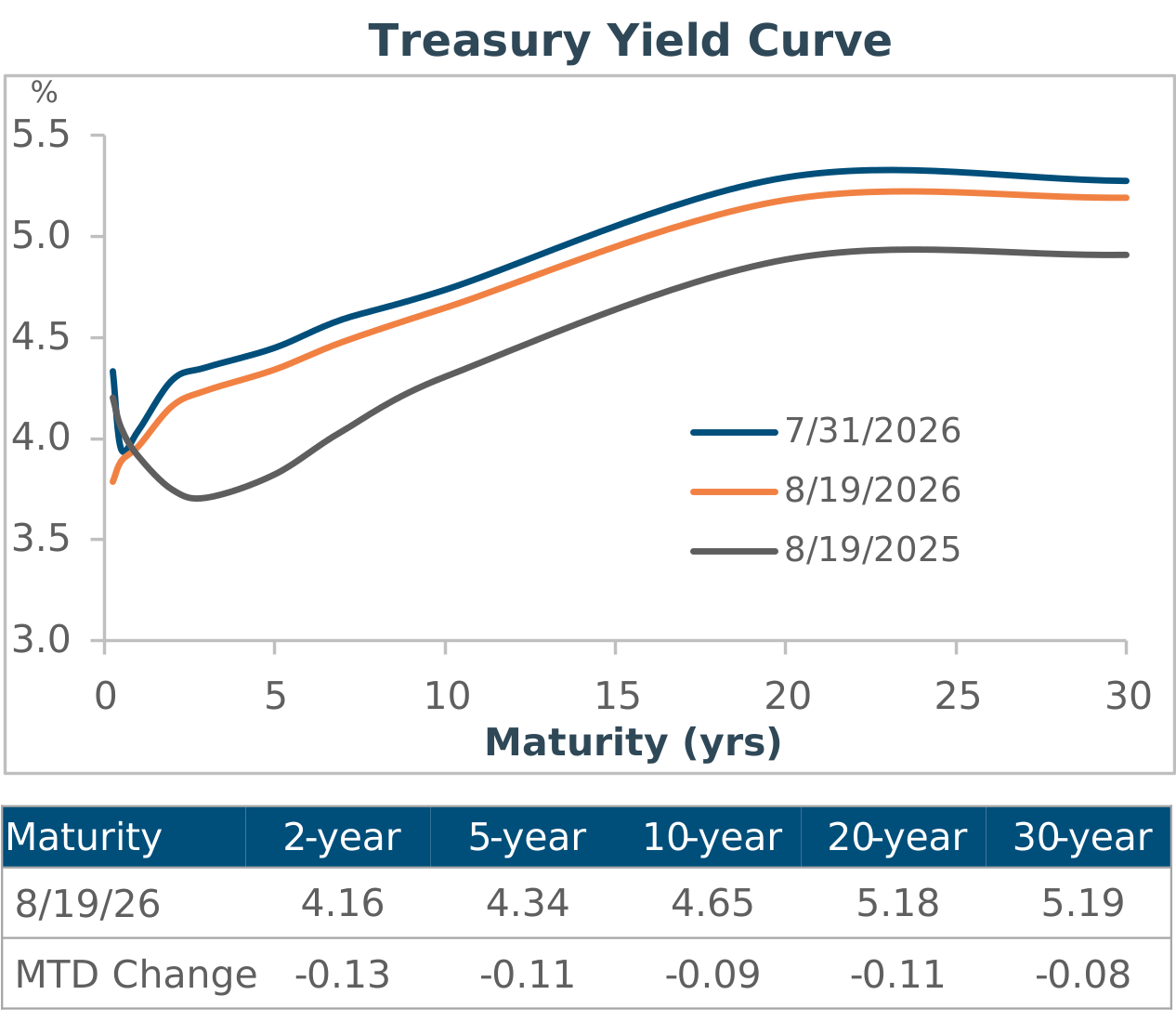
- Fiscal deterioration and AI-driven corporate issuance concerns initially pushed long-dated Treasury yields higher, before the Treasury’s announcement of increased long-dated buybacks reversed the move and drove yields lower
- The 30-year Treasury rate rose to 5.31% intra-week – the highest level since 2007 – before closing at 5.19%, 7bps lower week-over-week
- Investment-grade (IG) issuance totaled $19 billion, narrowly missing dealer forecasts of $20 billion, as a risk-off sentiment kept many borrowers on the sidelines
- The high-yield (HY) primary market was subdued, with supply falling short of $2 billion
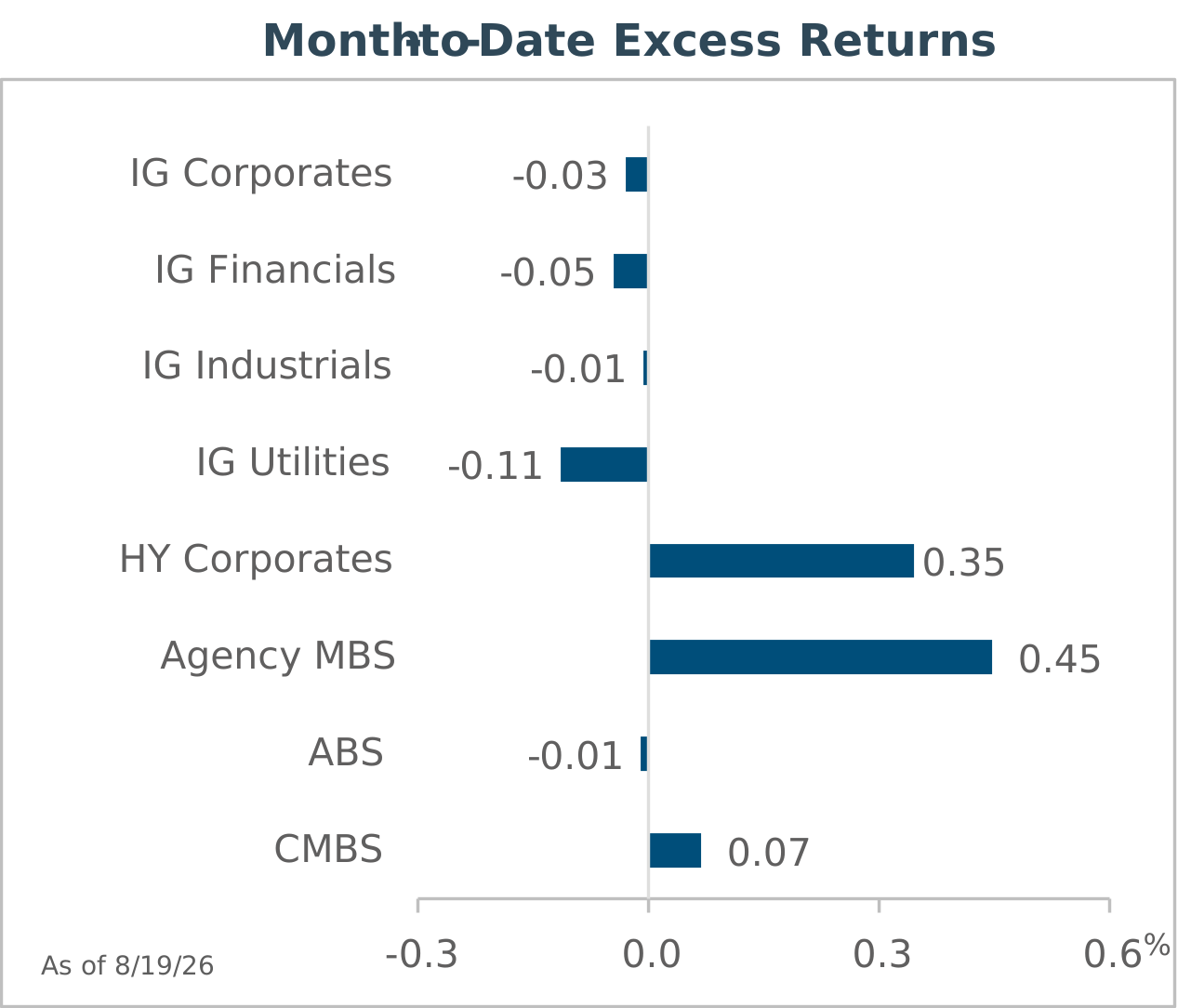
- The market’s more cautious backdrop pressured corporate spreads, as IG and HY spreads widened modestly by 2bps and 3bps, respectively, to 80bps and 270bps
- Agency mortgage-backed securities (MBS) outperformed other securitized subsectors amid a decrease in mortgage rates; MBS spreads tightened on the week by 2bps to 24bps
- Municipals underperformed Treasuries as muni/Treasury ratios rose across the curve; the 10-year muni/Treasury ratio rose from 68.3% to 70.9%, just below the trailing 5-year average of 71%