There has been no shortage of headlines this year -- AI-disruption fears, concerns with private credit, and, recently, ongoing geopolitical tensions. Recent reports suggest progress towards an eventual ceasefire, but skepticism remains high among investors. The question is, even if the tone notably changes, how much tighter can spreads go? Investment-grade corporate spreads are only 11bps off the 25-year tights reached in January. Fundamentals remain solid, highlighted by Moody’s and S&P upgrading over 4x as many issuers as downgraded year-to-date, and demand has been unwavering. As such, until we see a material spread widening event, we continue to believe carry will be the primary driver of returns.

- The ongoing conflict in the Middle East saw some signs of relief as the US and Iran announced a two-week ceasefire, subject to Iran reopening the Straight of Hormuz, which spurred a risk-on market tone
- Oil prices fell sharply following the news, easing inflation concerns and reigniting investors’ hope that the Federal Reserve will resume cutting interest rates
- March’s non-farm payrolls increased by 178k, above estimates and the largest increase since December 2024; the healthcare sector, which saw a resolution to last month’s strike, was the leading contributor to the rise
- The unemployment rate fell to 4.3%, suggesting further stabilization in the labor market, although the rate would have been higher if not for a drop in the labor participation rate
- Core PCE rose 0.4% in February, in line with expectations, with the annualized figure falling to 3.0% year-over-year; the data did not include the recent rise in energy costs, which could boost goods prices going forward
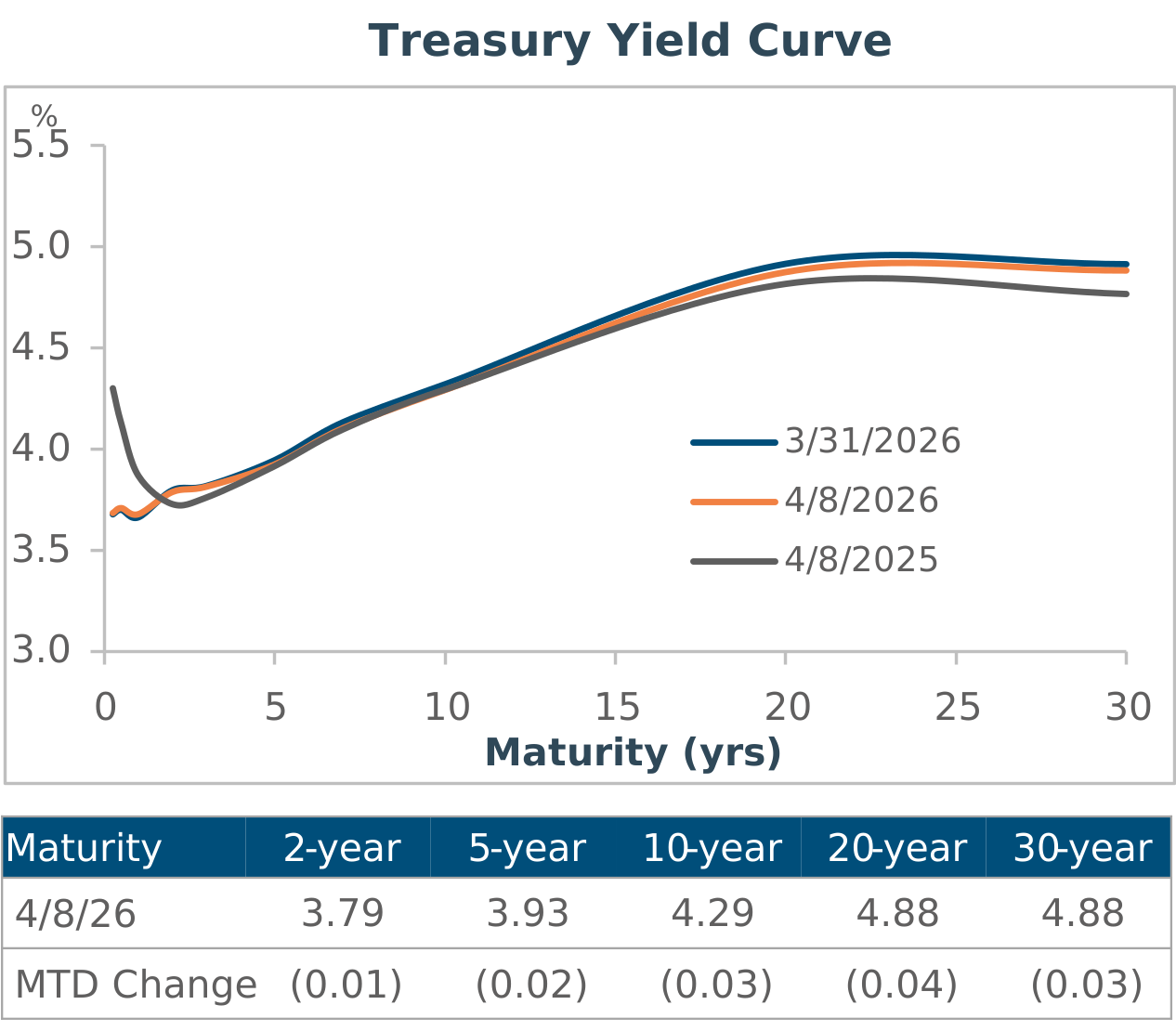
- Treasury rates edged higher to start the month before falling on news of a possible ceasefire; the Treasury curve flattened month-to-date, as the 2- and 10- year rates fell by 1bp and 3bps, respectively, to 3.79% and 4.29%
- The investment-grade (IG) corporate primary market began relatively light before seeing a wave of issuance following Wednesday’s ceasefire news; supply on the week exceeded dealer forecasts and totaled $38 billion month-to-date
- High-yield (HY) borrowers were similarly quiet this week in anticipation of a firmer market tone; issuance totaled just under $5 billion month-to-date
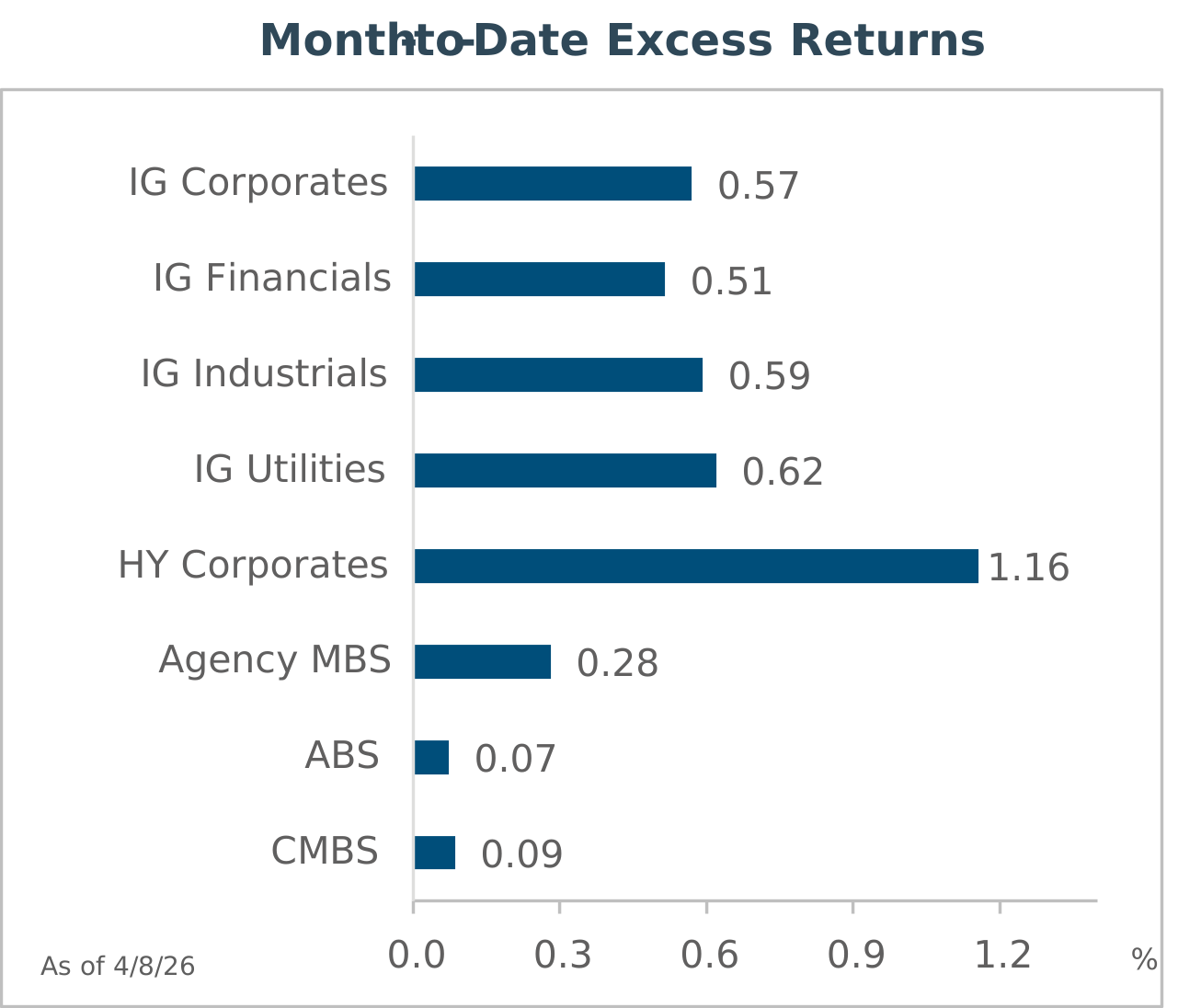
- Demand for corporates remained strong amid the developments with the US-Iran conflict, with IG and HY corporate spreads tightening by 8bps and 38bps, respectively, month-to-date to 81bps and 279bps
- Agency mortgage-backed (MBS) securities outperformed other securitized sectors despite mortgage rates reaching a year-to-date high of 6.53%; MBS spreads tightened 4bps to 20bps
- Municipals outperformed Treasuries as muni/Treasury ratios fell across the curve; municipal bond funds reported $727 million of net outflows last week