Markets have been quick to embrace signs of de-escalation in the US-Iran conflict, but could recent optimism be masking unresolved fragilities elsewhere? While equities have reached new all-time highs and credit spreads have retraced recent widening, underlying uncertainties have not disappeared — they have just become less visible. Inflation expectations, policy responses, and upcoming midterm elections will have monetary and fiscal implications. We are mindful that today’s optimism may be pricing in a smoother path than is likely. As a result, portfolios remain balanced, leaning on carry and quality while preserving flexibility in the event of any shift in tone.

- A risk-on market tone persisted despite ongoing inflation concerns, as optimism grows that the U.S. and Iran are looking to extend the two‑week ceasefire, while banks fueled a strong start to the first quarter earnings season
- March’s CPI report rose 0.9% month-over-month and 3.3% year-over-year over the last twelve months – the largest monthly increase since 2022; energy accounted for a majority of the monthly advance given the record increase in gas prices, while the increases of other categories were relatively muted with Core CPI only up 0.2% last month
- Concerns of long-term inflation resulting from the US-Iran conflict drove one-year inflation expectations to 4.8% and consumer sentiment to a record low level
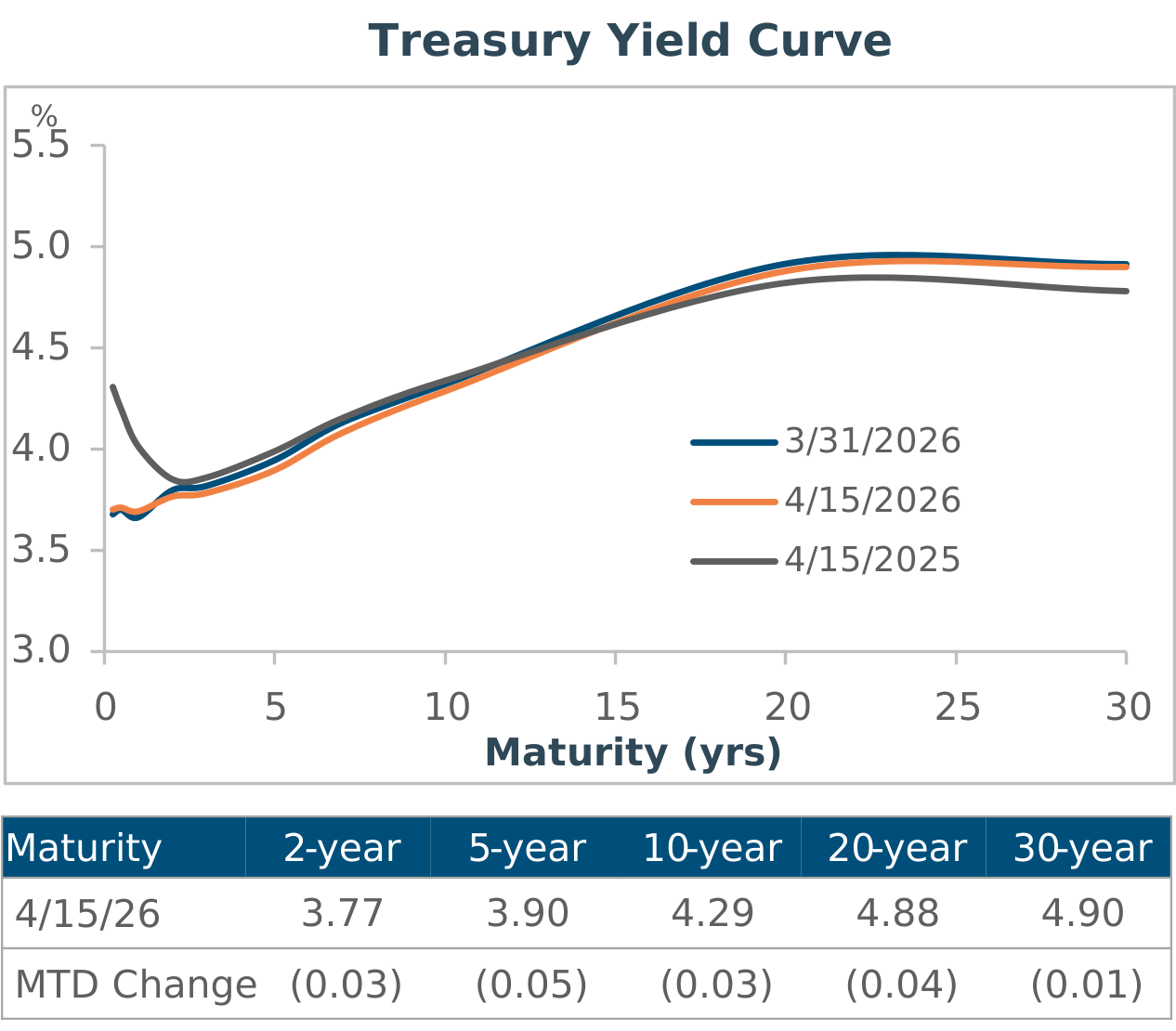
- Treasury rates increased across the curve following the March CPI release before front-end rates declined on the prospect of peace talks between the US and Iran; the Treasury curve steepened on the week, as the 2-year rate fell by 2bps to 3.77% while the 30-year rate rose 1bp to 4.90%
- Investment-grade (IG) supply totaled $58 billion, exceeding dealer expectations of $40 billion; large money center banks returned to the market following self-imposed earnings blackouts and accounted for over half of the week’s issuance
- HY borrowers took advantage of the firmer tone, issuing over $13 billion, led a $5.7 billion data center deal; the deal was met with robust demand receiving roughly $15 billion of investor orders
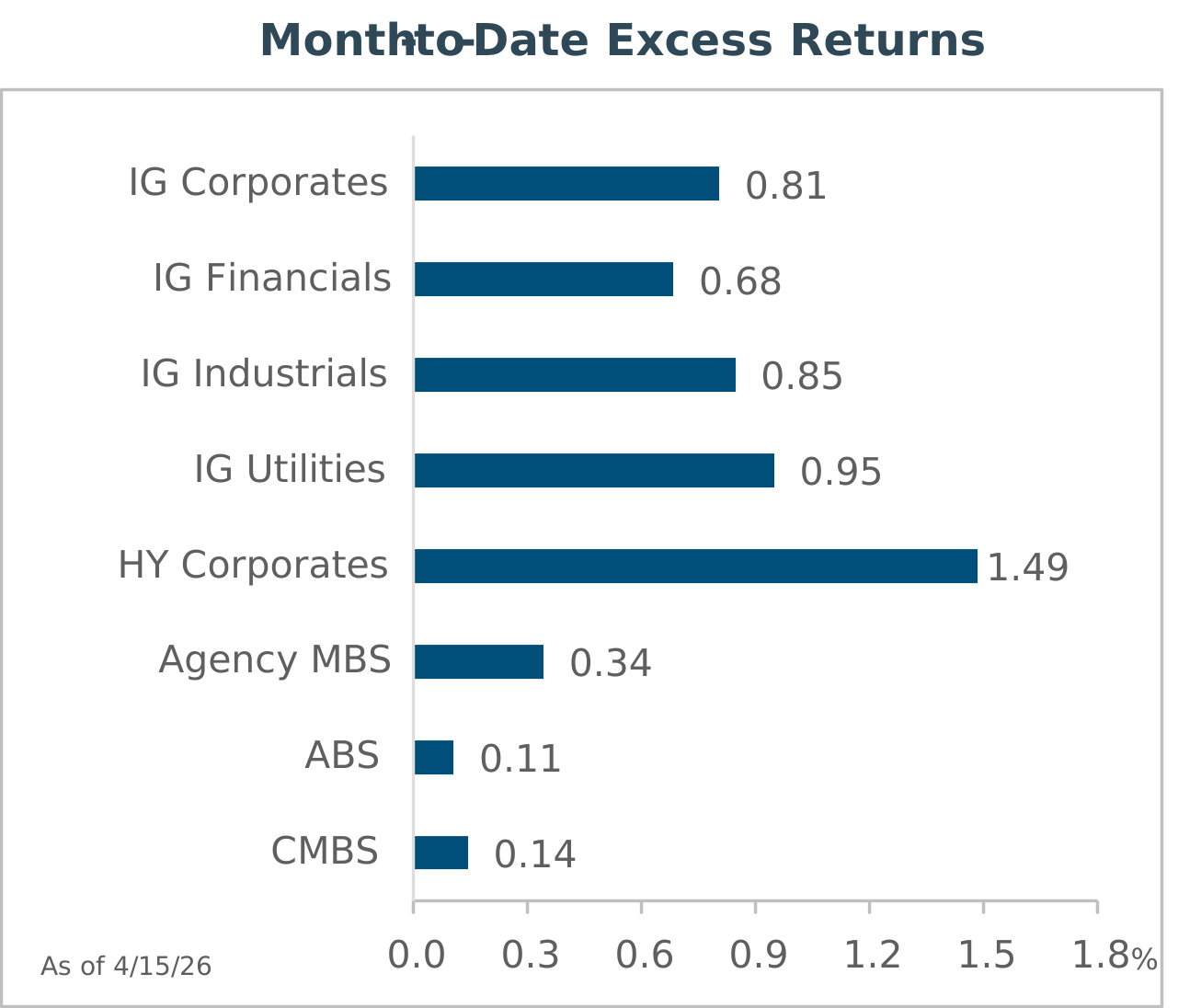
- Corporate spreads declined to the lowest levels since the start of the conflict between the US and Iran; IG and HY corporate spreads tightened by 3bps and 10bps, respectively, to 78bps and 269bps
- Agency mortgage-backed (MBS) securities outperformed other securitized sectors amid lower interest rate volatility, as MBS spreads tightened 1bps to 19bps
- Existing home sales fell to 3.98 million in March, below estimates and the lowest level since June 2025, as the lock-in effect continues due to rising mortgage rates and home prices
- Short-maturity Municipals underperformed Treasuries while long-maturity municipals outperformed; the 2-year muni/Treasury ratio increased from 60.5% to 60.7% and the 30-year muni/Treasury ratio fell from 89.1% to 88.7%