At IR+M, it has become a rite of spring to dive into insurance industry filings and assess how portfolios evolved over the previous year. In 2025, insurers benefited from elevated yields and resilient risk asset performance, even as they continued to adapt portfolio construction and reporting practices in response to the NAIC’s PBBD project.
Review of 2025
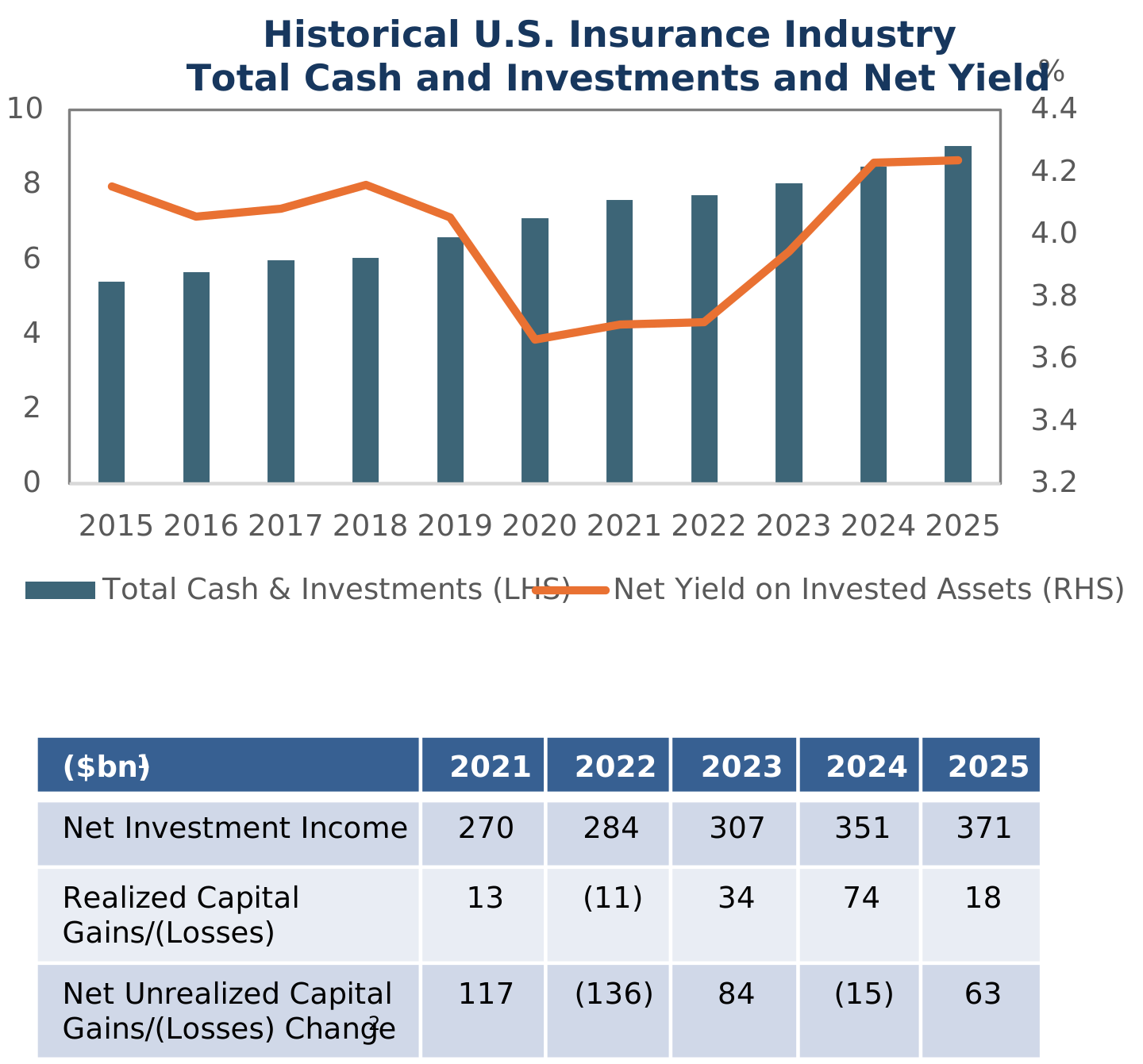
- Insurer assets and net investment income (NII) attained new record highs in 2025. Against a backdrop of elevated yields and strong equity performance, the total book value of cash and invested assets grew by $562 billion to over $9.0 trillion, a 6.6% increase year-over-year (YoY). Supported by the interest rate environment, total NII rose 5.7% to $371 billion, exceeding the prior year’s record for the fourth consecutive year.
- While the pace of net investment income growth slowed in 2025, the level still reached a new 26-year high across P&C, Health, and Life in 2025.
- Unrealized capital positions recovered as realized gains normalized. Insurers closed the year with $18 billion in realized gains. While this was significantly less than the 2024’s record-setting $75 billion, P&C insurers continued to realize the greatest gains, which totaled $23 billion. During 2025, the total insurance industry’s unrealized capital position increased by $63 billion, placing them in net gain territory.
- P&C portfolio yields lag Life and Health Insurers. Life and Health insurers continued to raise portfolio net yields in 2025, reaching 4.6% and 4.2% due to respective increases of 0.08% and 0.13%, while P&C insurers saw a 0.17% decline to 3.44%.
Asset Allocation Lookback
 Equity exposure increased in a strong market year. Supported by resilient equity markets, equity allocations modestly increased by 0.4% to 7.8% as insurers attempted to enhance returns.
- Bond allocations declined despite attractive yields. While bond portfolio yields rose to 4.7%, the highest level since 2012. the US insurance industry saw reduced bond weightings for the third consecutive year, declining 0.6% to 66.2%, as equity appreciation reduced bonds’ share of total invested assets.
- Schedule BA Long-Term Investment allocations continued to grow as insurers sought yield opportunities. The sector reported another year of outsized growth, increasing 10.3% in assets as the sector’s portfolio weight grew slightly YoY to 7.0%, despite the gross yield on Long-Term Investments falling 0.3% to 6.03% its lowest level in a decade.
- Private Credit overtook Private Equity on Schedule BA allocations. Private Equity allocations reached their lowest point in 10 years, dropping 3.3% to 45.8% of allocations. In contrast, insurers increased exposures to Private Credit, which grew at a record 6.8% over the same time frame. Overall, Schedule BA allocations grew by 10.3% as insurers searched for incremental yield and PBBD required asset reclassifications from Schedule D.
Notable Bond Portfolio Trends
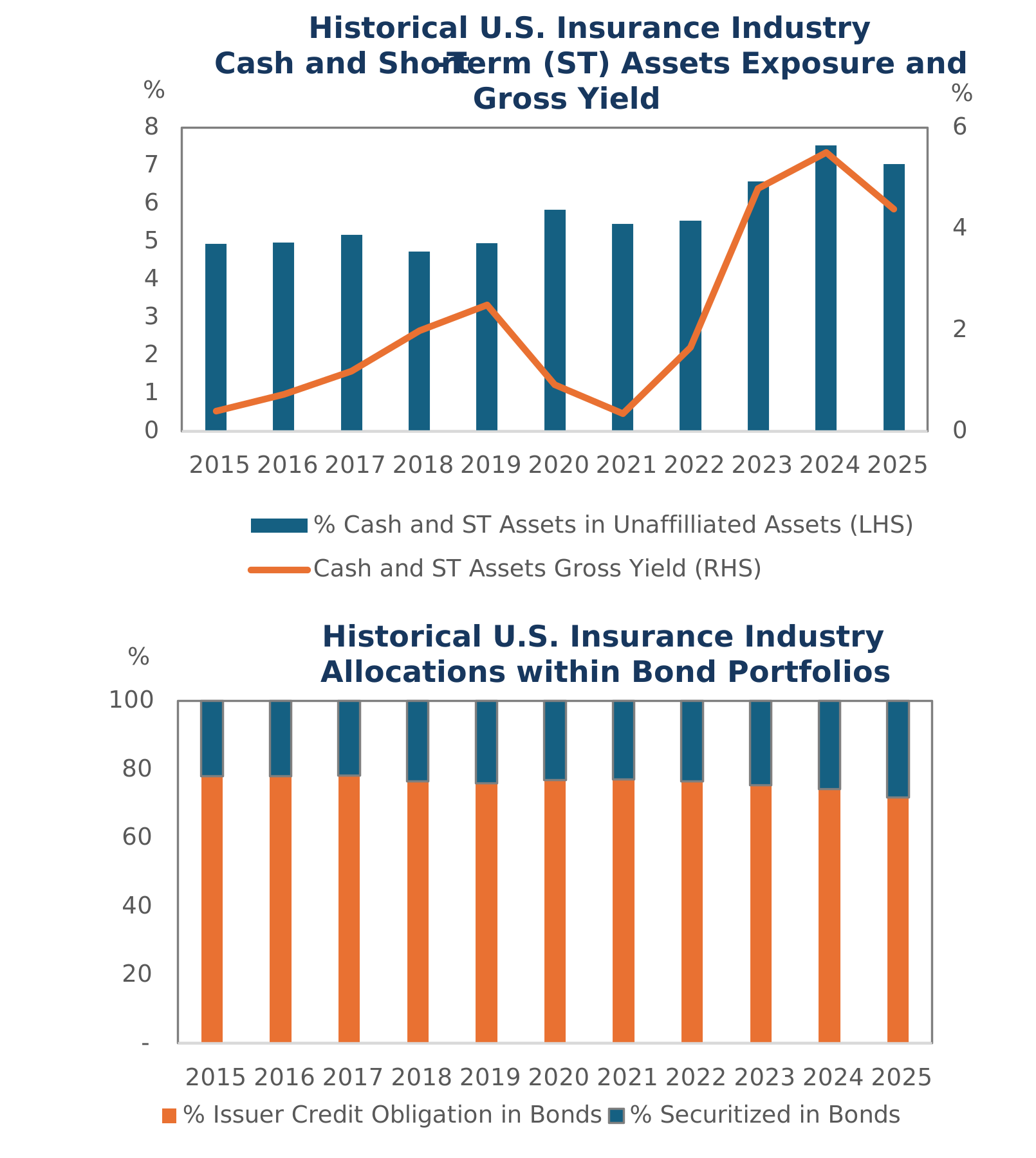
- Declining short-term rates reduced the appeal of cash. Exposures to cash and short-term investments declined from 7.5% to 7.0% as a flattening yield curve reduced the appeal of short-duration assets. Health insurers saw the largest decrease, with cash falling 11.5% as liquidity was deployed amid rising business pressures.
- Quality remained a priority despite attractive yields. Insurance portfolios’ asset quality increased modestly, with below investment-grade bond exposure (NAIC 3 through 6) dropping 0.2% for a second year to 4.5%. All types of insurers moved up in quality for a fourth consecutive year.
- Securitized allocations posted their largest increase in a decade. In response to historically tight corporate bond spreads, insurance portfolios increased their securitized exposure 2.4% to 28.2% — the greatest rise in over 10 years. The largest allocations were to Self-Liquidating securities, with Residential Mortgage-Backed Securities (RMBS) accounting for 33.2% of insurers’ securitized assets.
- Insurers continued to leverage the private placement market. US insurers’ private placement holdings shattered their 2024 record with 39.7% of total bonds, as Life insurers allocated 48.4% to the sector. In a reversal of recent trends, private placement exposure increased in the P&C and Health channels and rose above their early 2020s peaks.
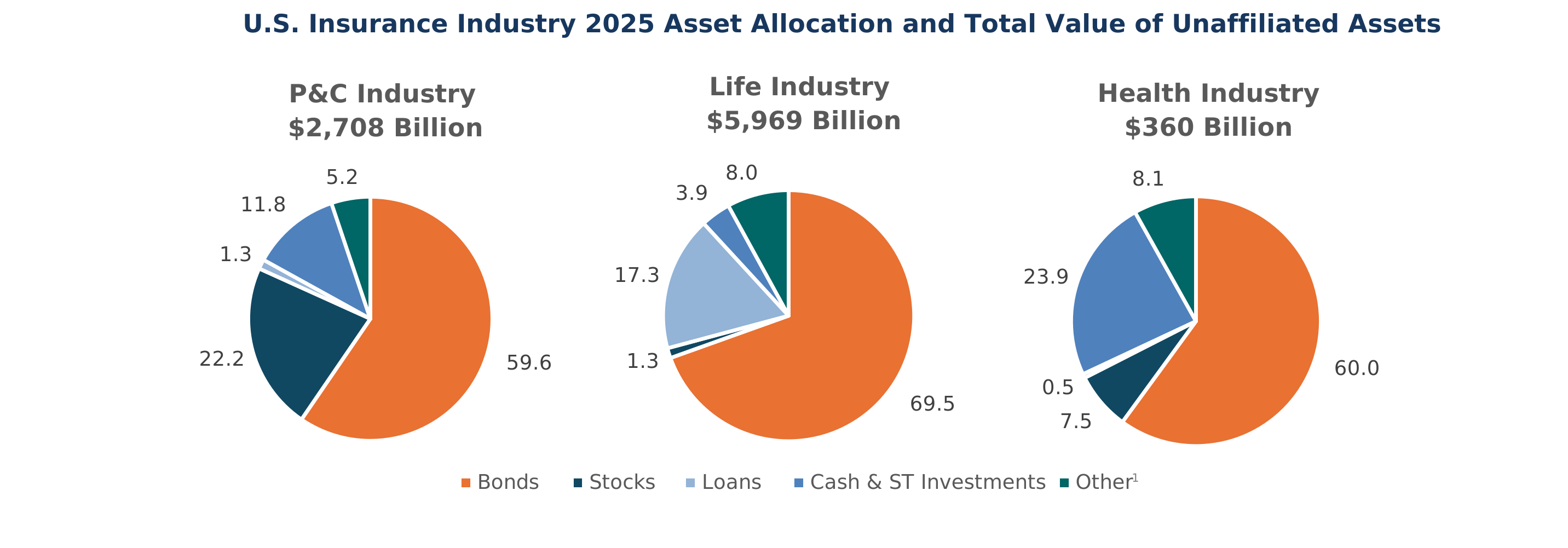
¹Other includes Real Estate and Other Investments.
IR+M’s Take on 2026
- Since the US-Iran conflict began in March, investors have navigated a recurring cycle of escalation and de-escalation, making it increasingly difficult to maintain conviction around any single headline. While geopolitical risks can influence markets, history suggests the most significant dislocations often stem from unexpected developments. Rather than attempting to predict the next event, we believe investors should focus on maintaining sufficient liquidity and portfolio flexibility, with an emphasis on fundamental analysis.
- At IR+M, we partner with insurers to weather the uncertainty. In these environments, incremental risk-taking tends to provide only modest benefits, whereas maintaining ample liquidity preserves the ability to act when conditions shift. With the path forward uncertain, our investment approach remains consistent – grounded in fundamentals and guided by valuations. We continue to find opportunities within the following parts of the market:
AI Issuance
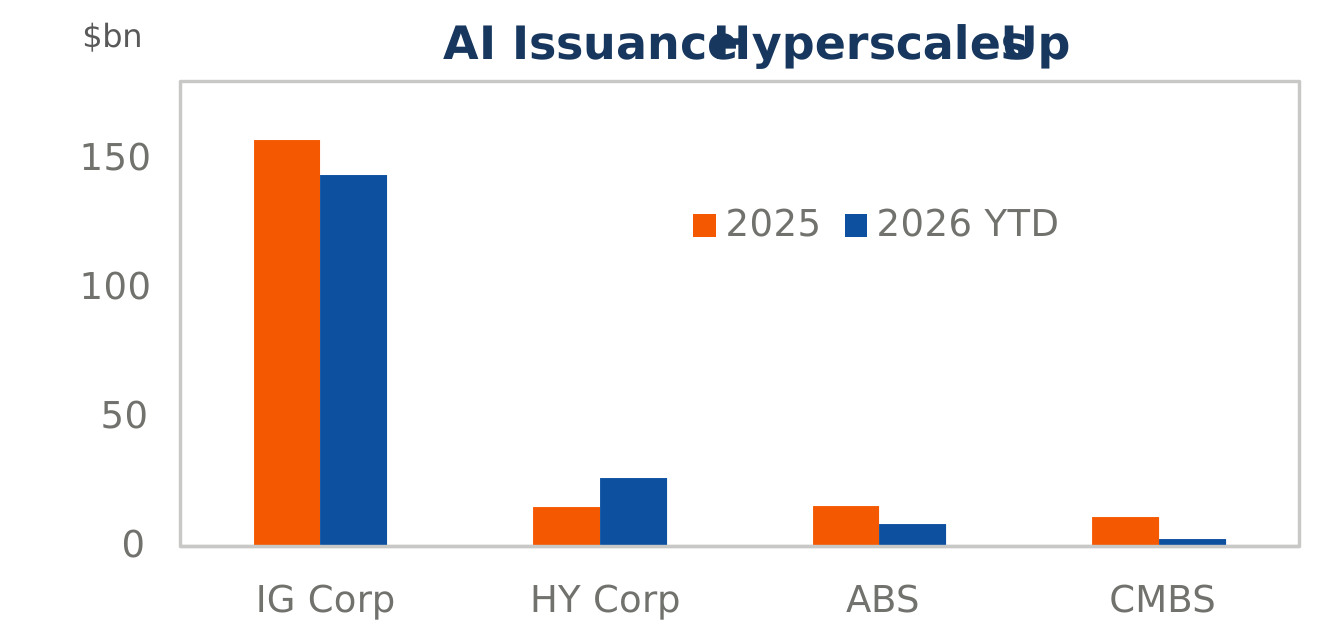
- As AI accelerates technological innovation, it's also reshaping fixed income market and introducing new risks. Sector lines continue to blur as a spectrum of features are embedded across deals, such as amortization, tenant/lease structures, and construction risk.
- With issuance projected to remain heavy, AI is set to further test the capacity and flexibility of credit markets. Rather than operating within sector silos, investors should adopt a more flexible, relative value-driven approach supported by cross-team collaboration and disciplined risk management.
Securitized
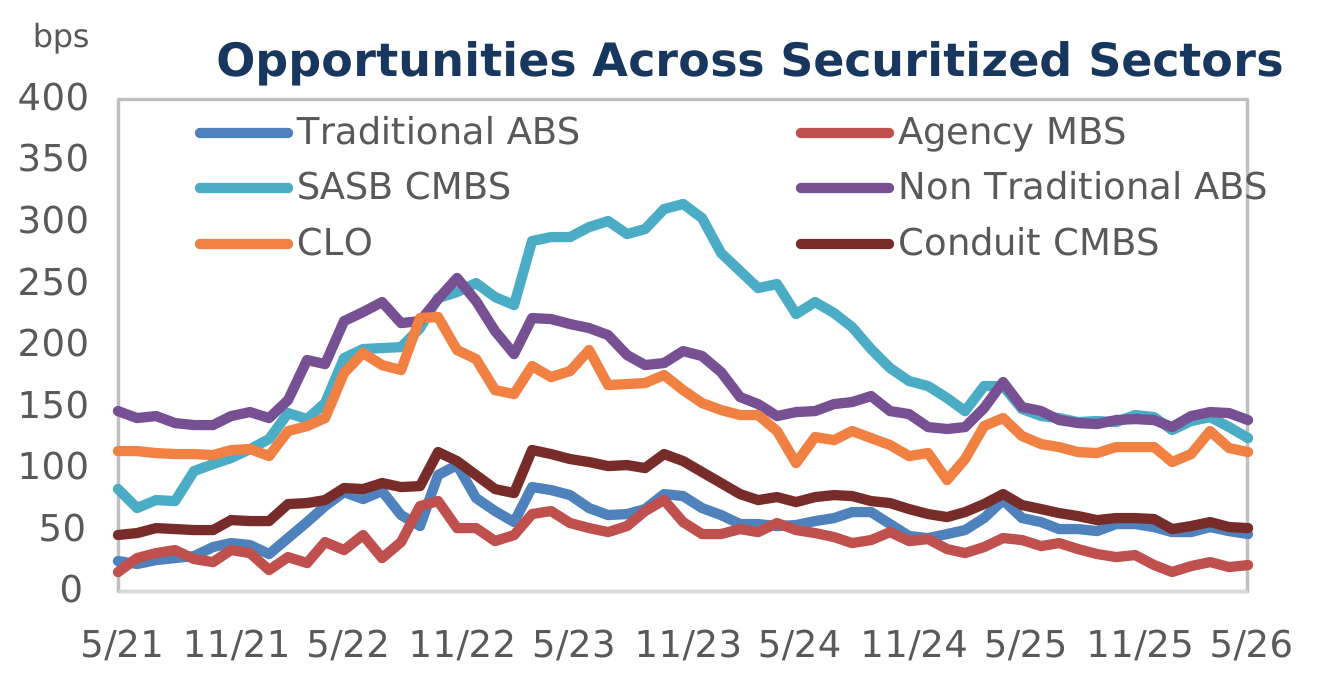
- We believe the securitized market continues to offer attractive relative value versus other spread sectors, particularly on a risk-adjusted basis as they are largely insulated from geopolitical volatility.
- The heterogenous risk profiles and collateral types allow insurers to emphasize high-quality income and improve diversification.
Investment-Grade Convertibles

- Convertible supply has reached an all-time high in an environment of strong equity markets, elevated yields, tight credit spreads and elevated volatility fueling demand.
- Corporations are issuing from a position of strength, using proceeds for growth and balance sheet flexibility. Issuance momentum is expected to remain strong, particularly in the IG market, as growing supply draws institutional participation and deepens liquidity of the market.
- As a result, there are increasingly more opportunities to invest in high-quality issuers in a unique structure with favorable capital treatment.
As spreads remain tight and relative value opportunities become increasingly differentiated, we believe a disciplined focus on bottom-up security selection remains essential. As a high-quality, fixed income manager, we partner with insurance clients to optimize their book yield, preserve liquidity, and manage financial statement volatility while navigating an evolving market environment.